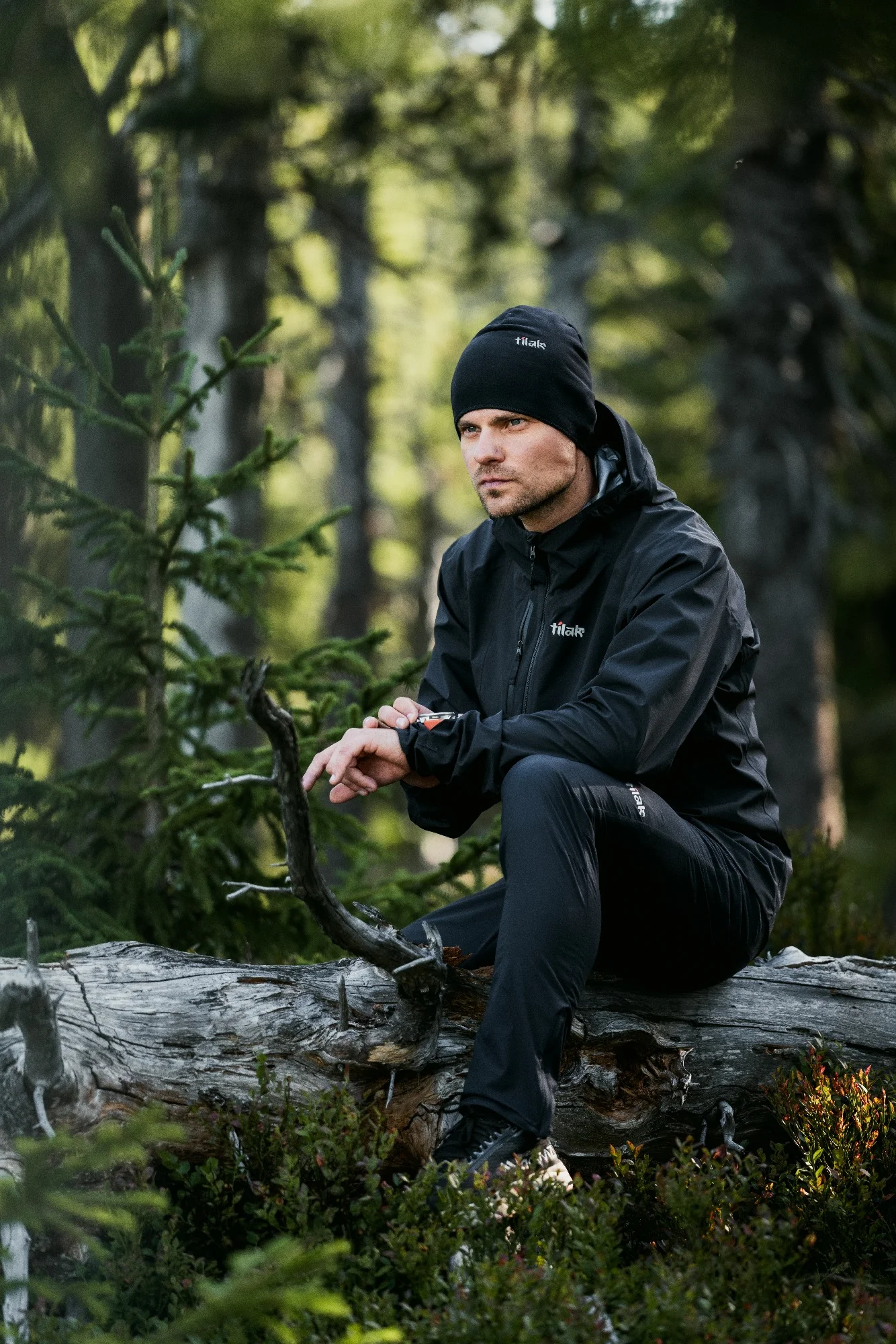
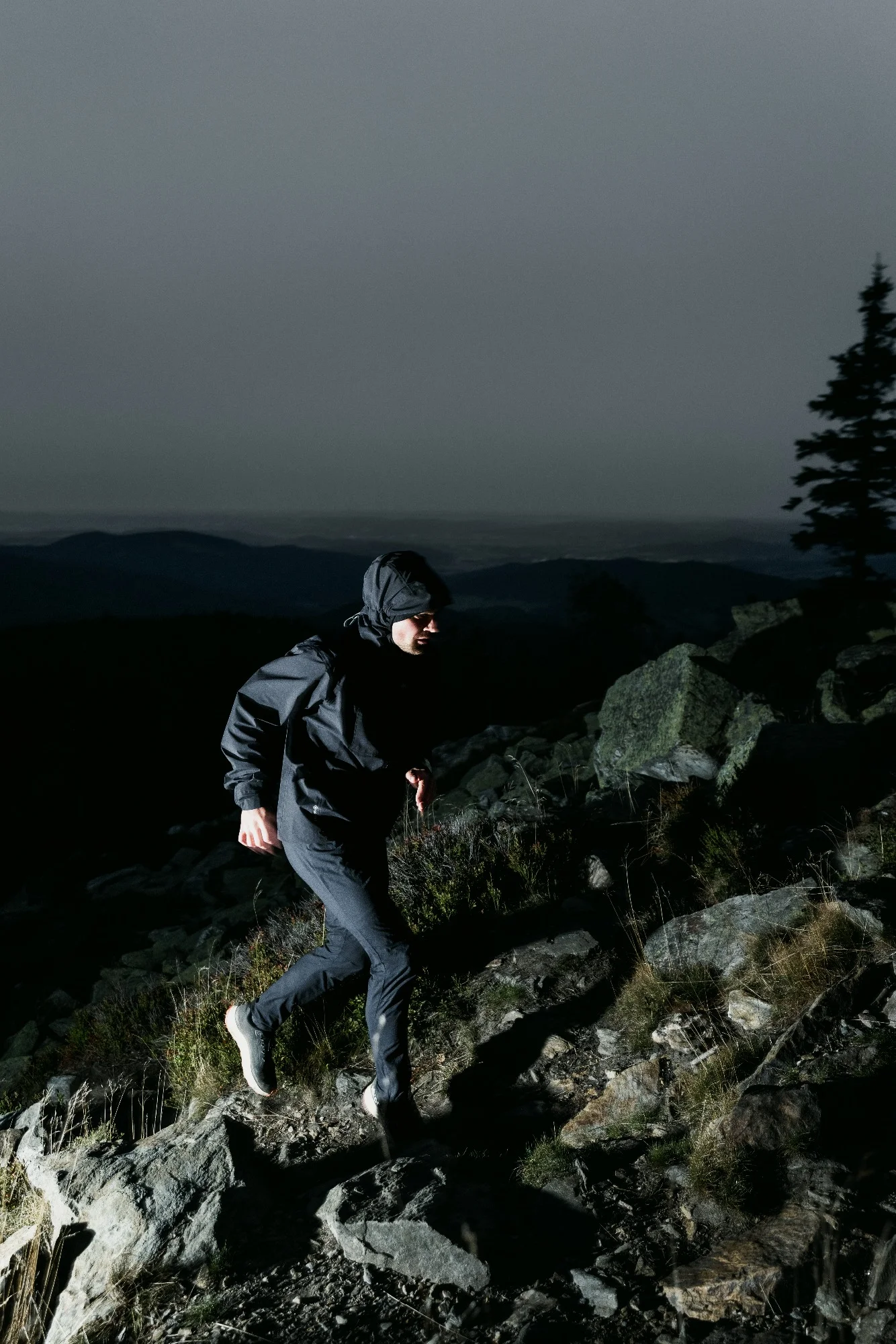
It’s mid-February 2026, a gloomy, endless winter’s day, around three in the afternoon. We’re making our way back along an icy track from a long run somewhere near Bukovka, heading back to Šumperk. We’ve been running for about half an hour against the wind

Familiar name, new jacket
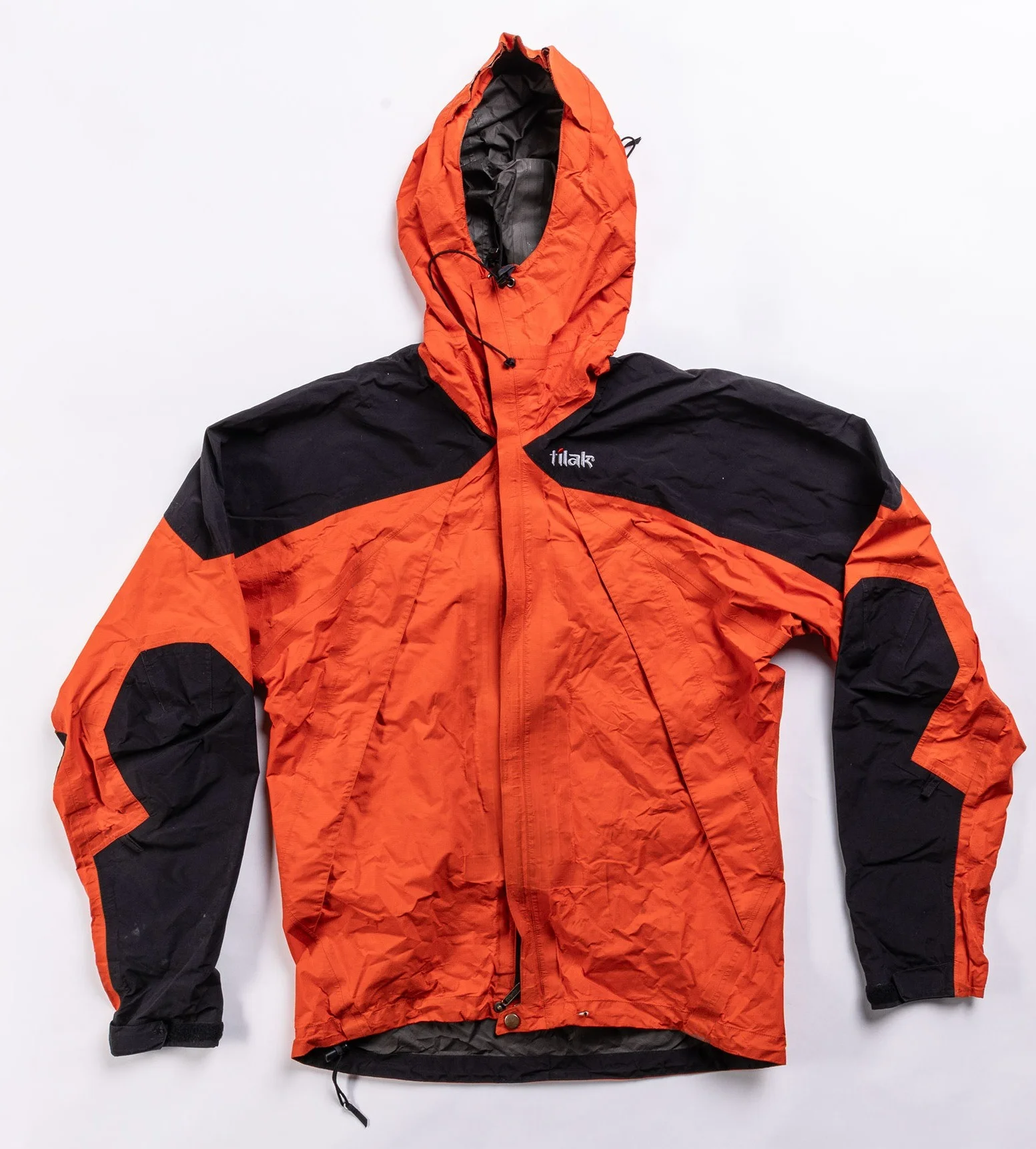
Attack 2005
In the meantime, we’ve been making the Euphoria, Endorphia and Vega membrane jackets for running and cycling, and we’re still producing the versatile Aira windcheater. So we’ve had plenty of first-hand experience and customer feedback. The 2018 Attack left the strongest mark on the new jacket, so there was no doubt about the name.
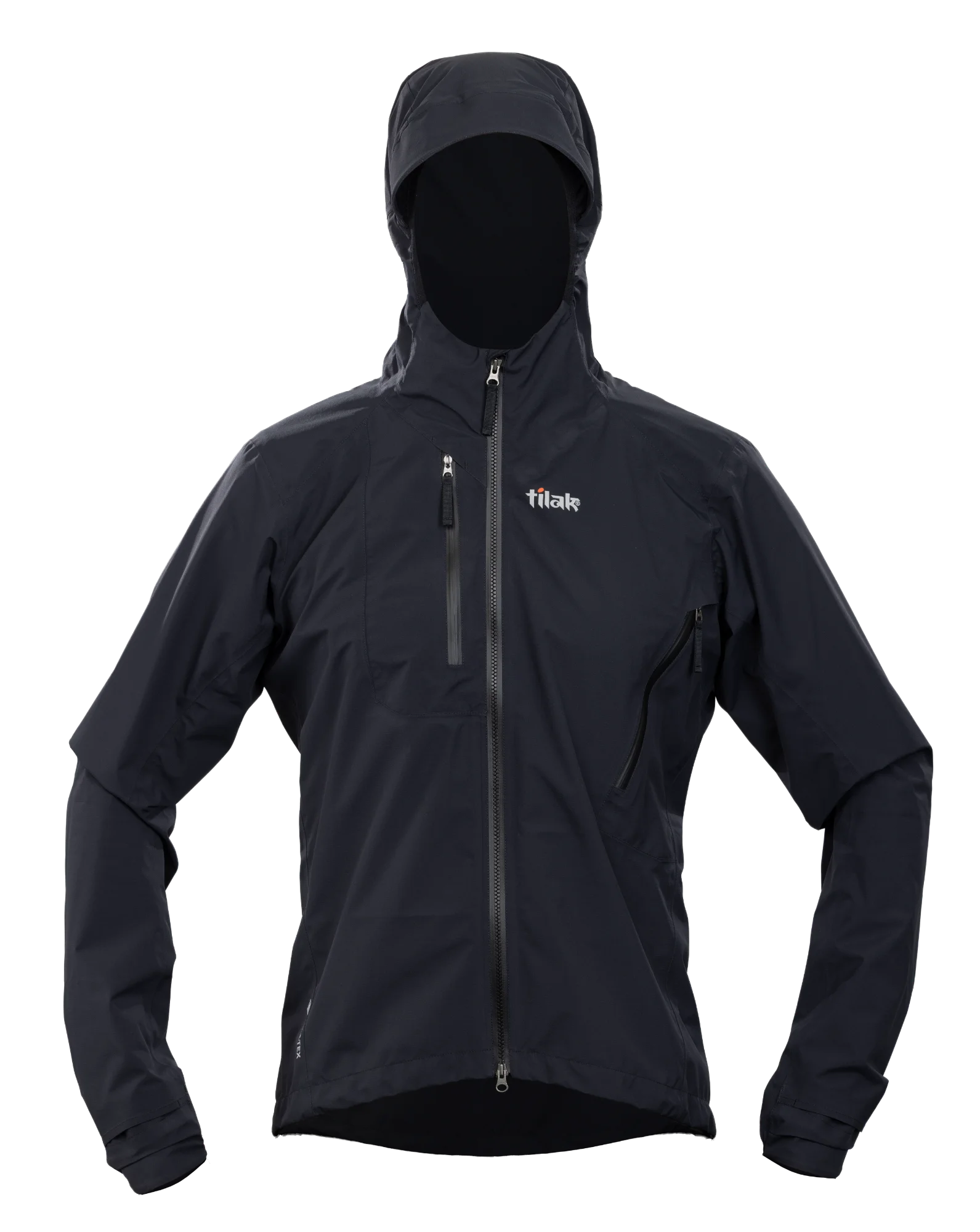
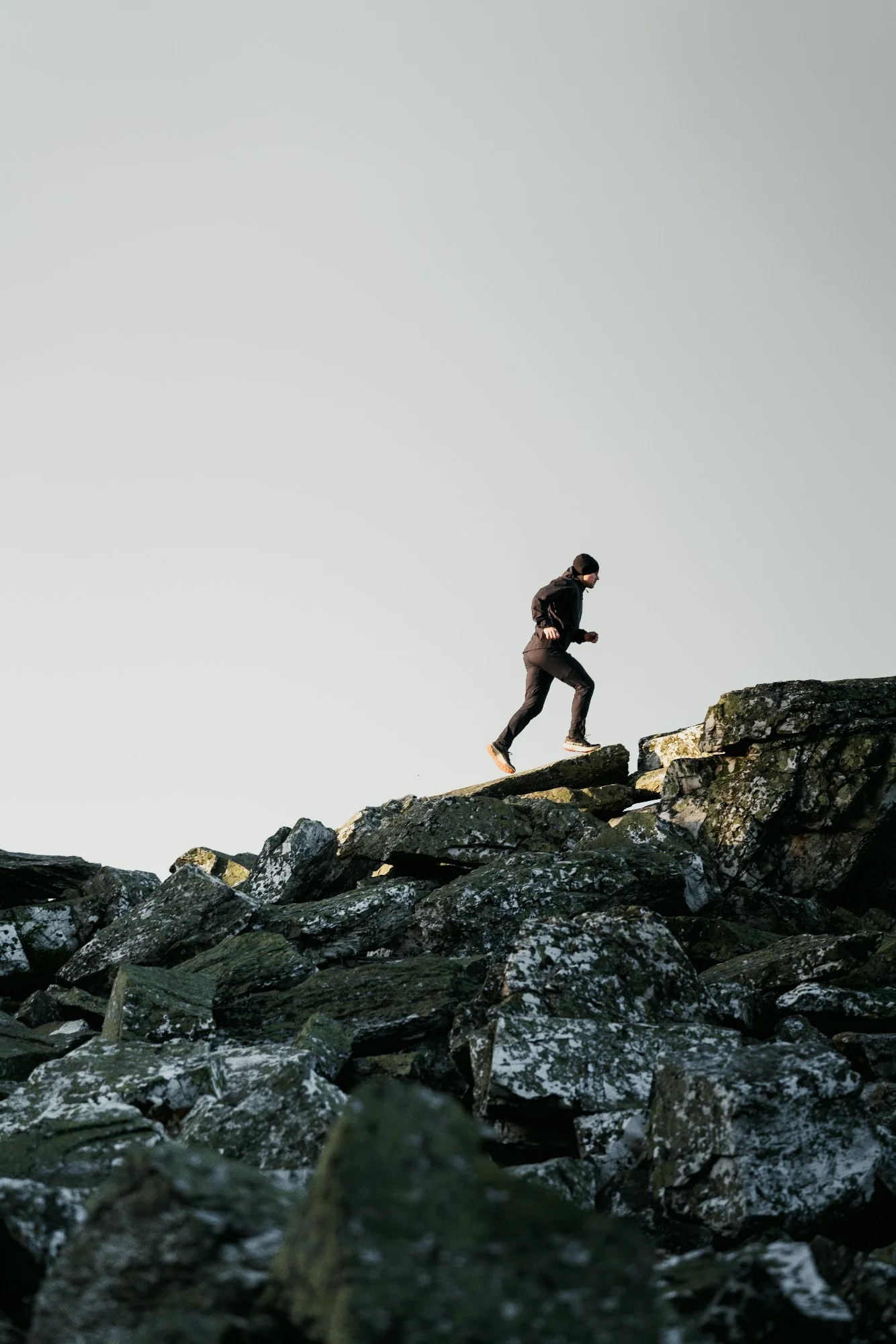
Introducing the new Attack, designed for long days on the trails or gravel rides.
A huge generational leap
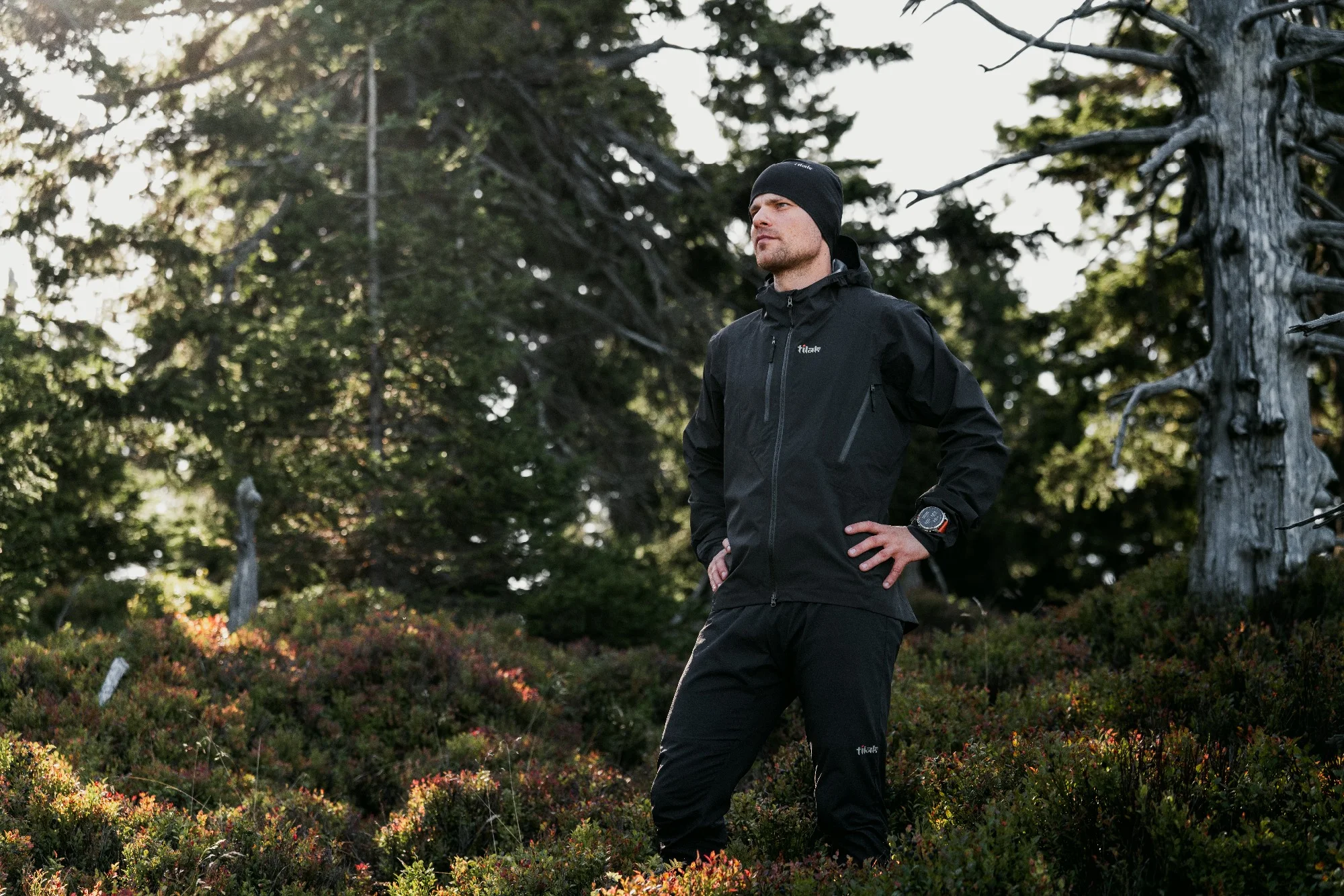
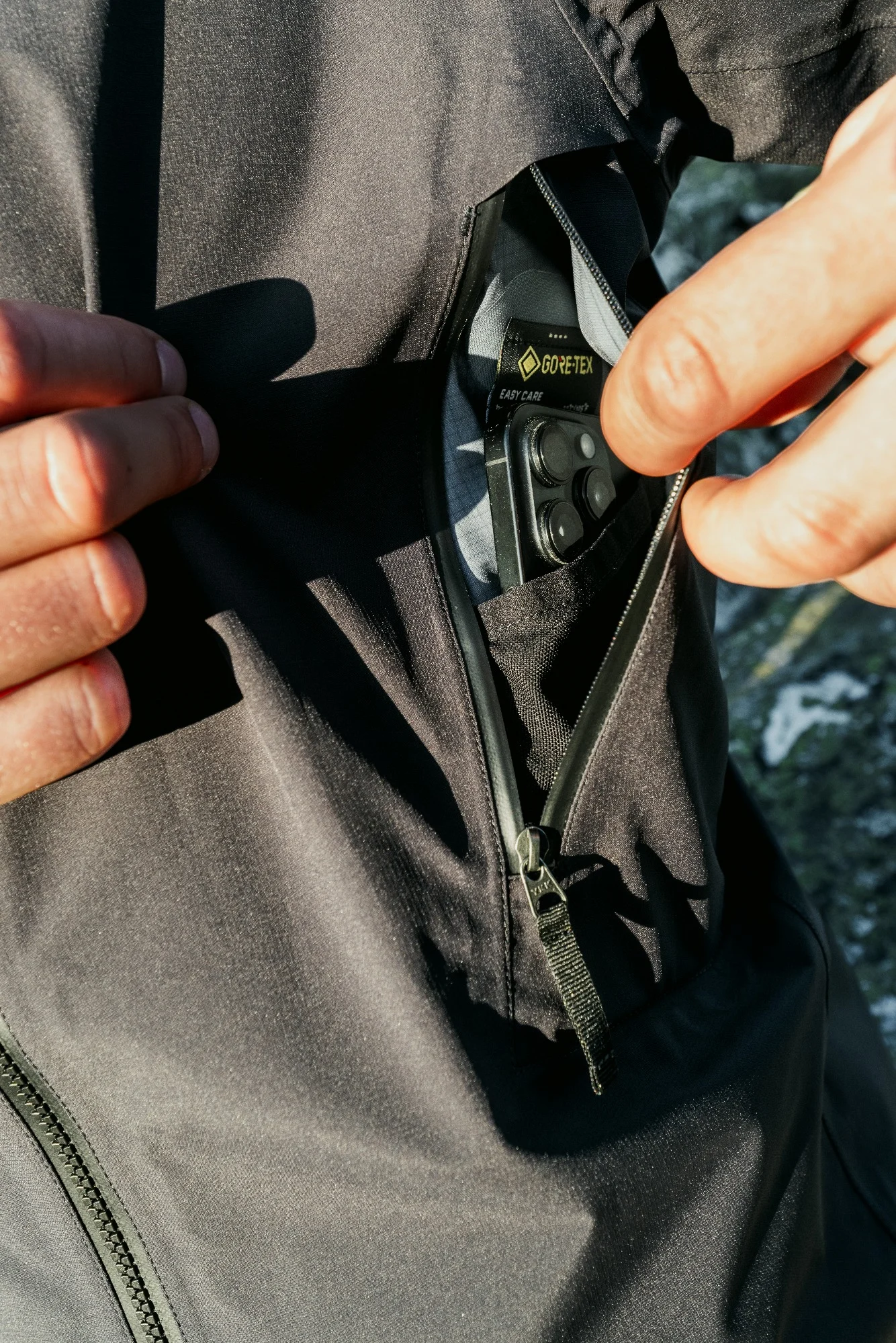
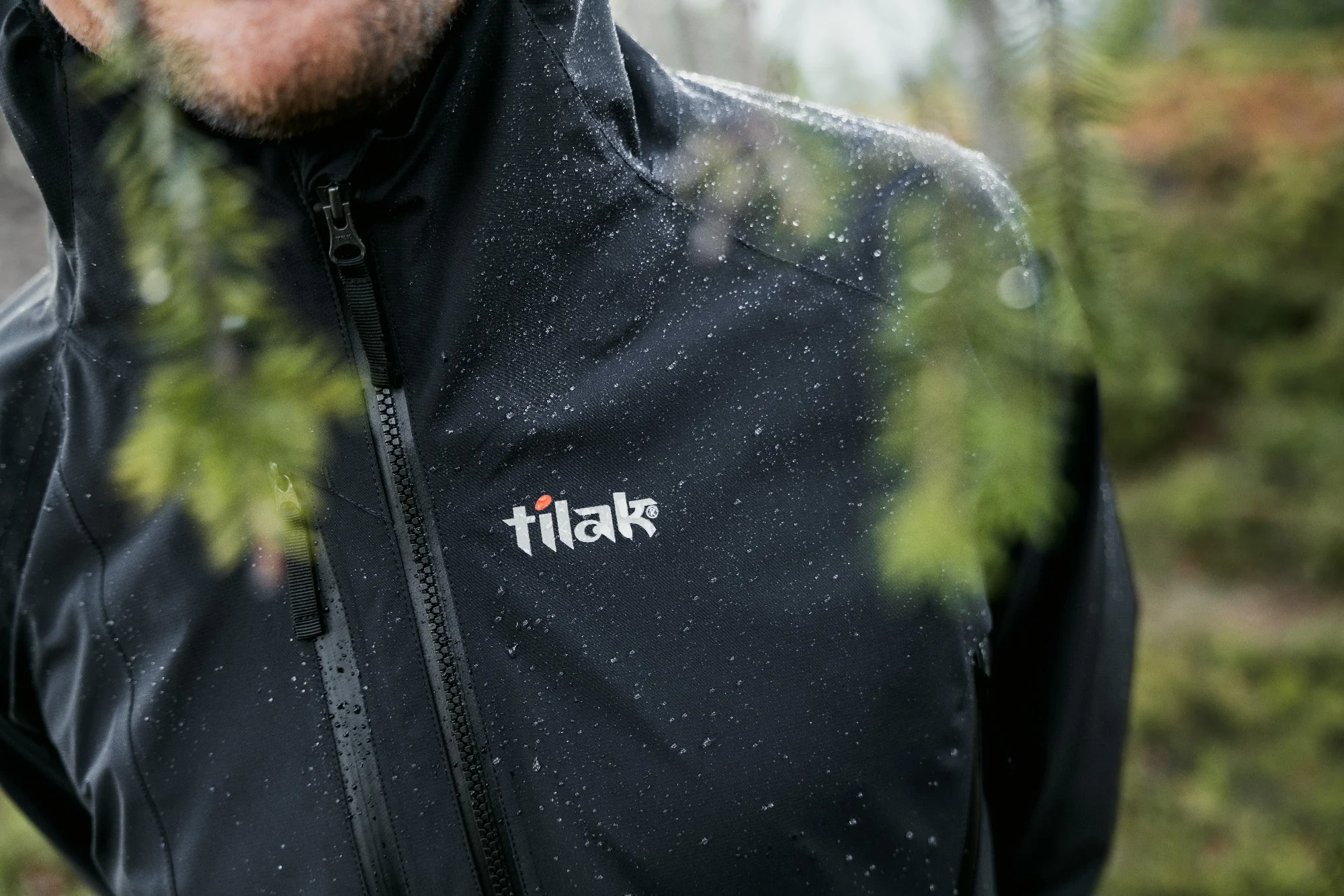
Let’s start with what the new Attack has borrowed from its predecessor: two stabilised pockets. It may seem like a minor detail, but it was one of the reasons for continuing to develop the jacket. Both pockets are positioned so that you can store items such as your mobile phone or energy gels in them, and their design minimises any bouncing.
That was the reason why we often opted for the previous Attack model on long, rainy runs – we didn’t need to carry a mobile phone or any small items in a vest, rucksack or external pockets. We definitely wanted to carry this feature over to the new model. We’ve succeeded in doing so, and we’ve further refined the pocket placement in the new Attack.
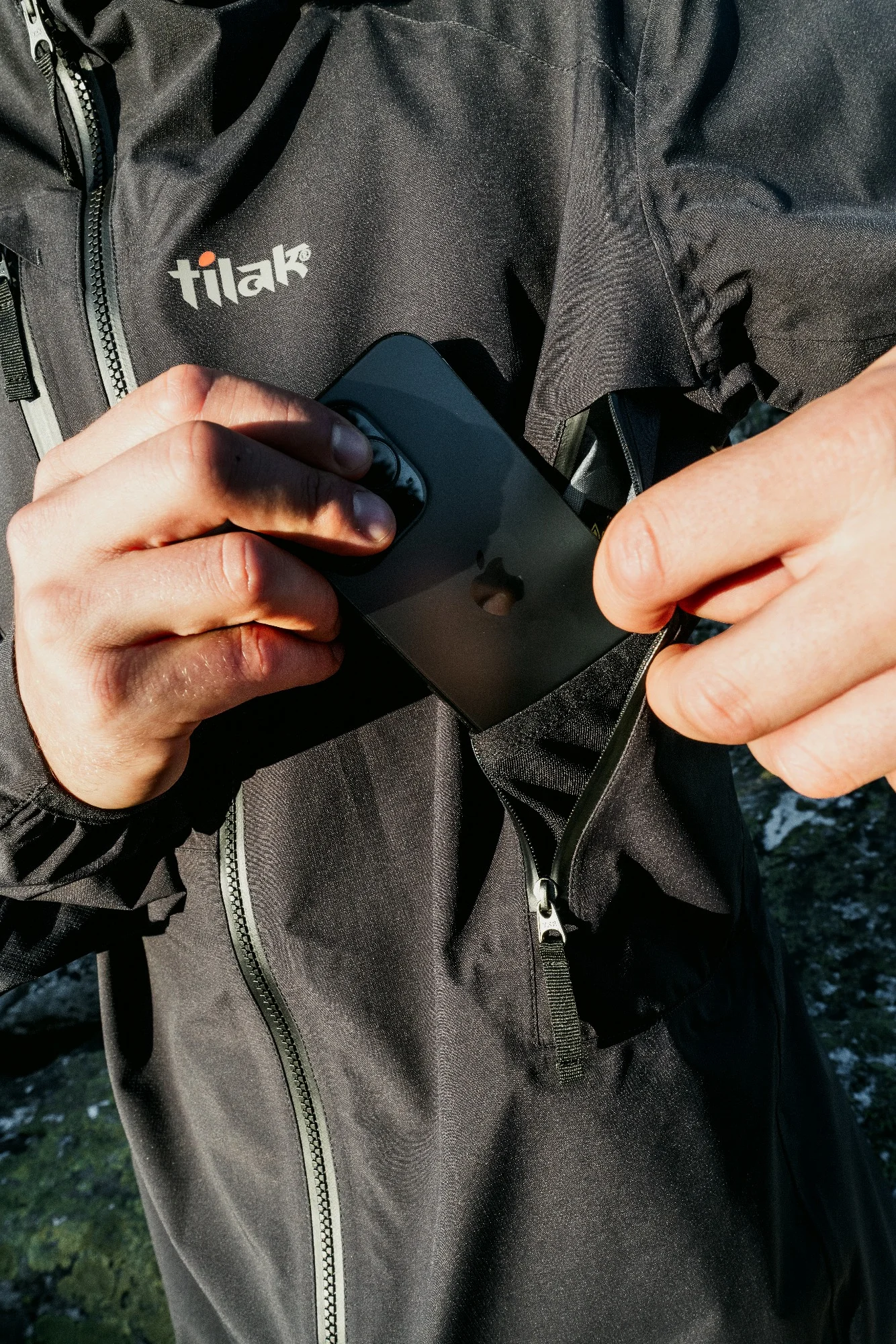
In the left pocket, which is concealed in the armhole seam, you’ll find a smaller hidden pocket.
As well as being handy for keys or other small items, the pocket also expands the options for storing your mobile – to three. In the right-hand breast pocket, in the left-hand pocket, and in the small pocket inside the left-hand pocket. That’s great, because we all have mobiles of different sizes, so there’s something to suit everyone.
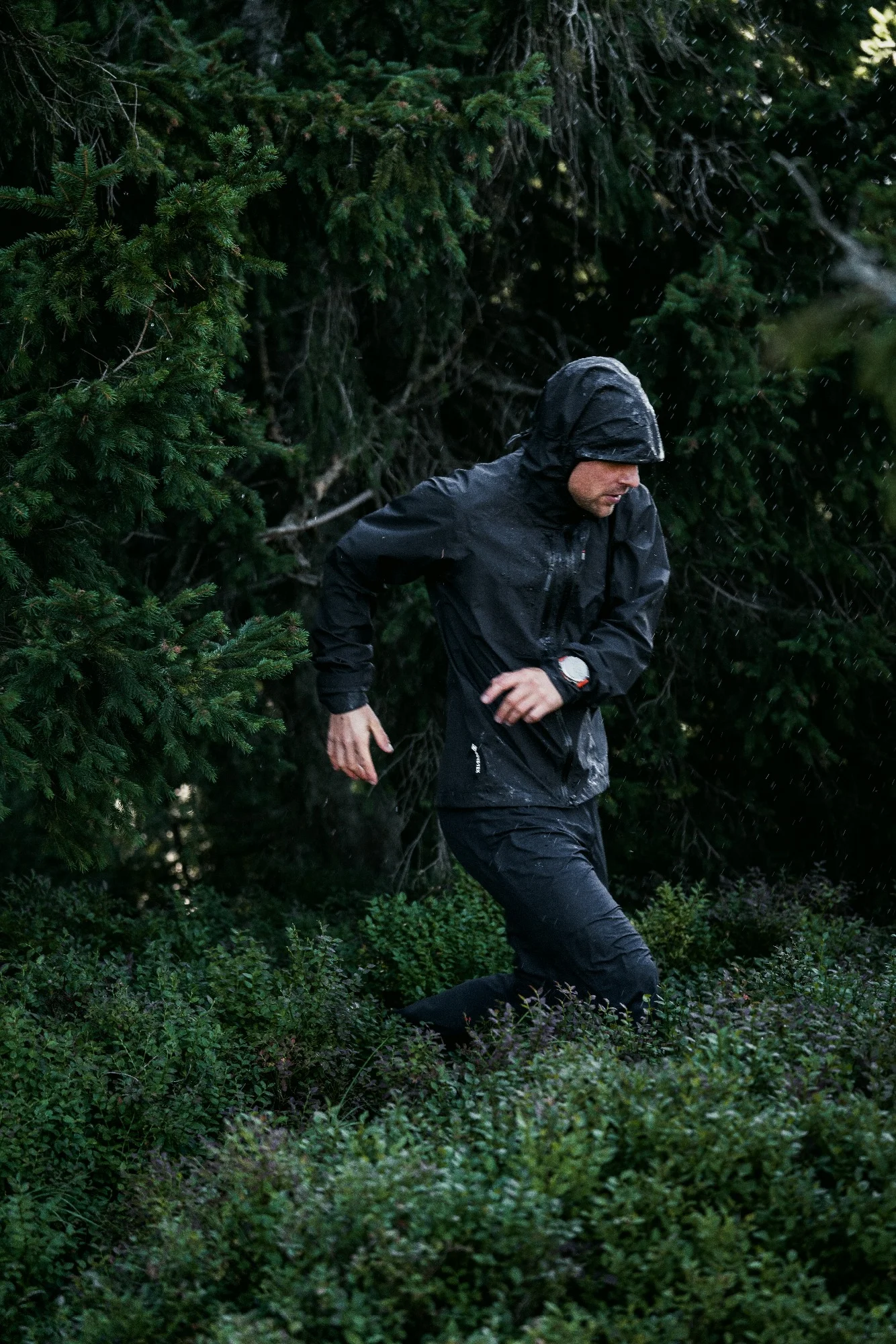
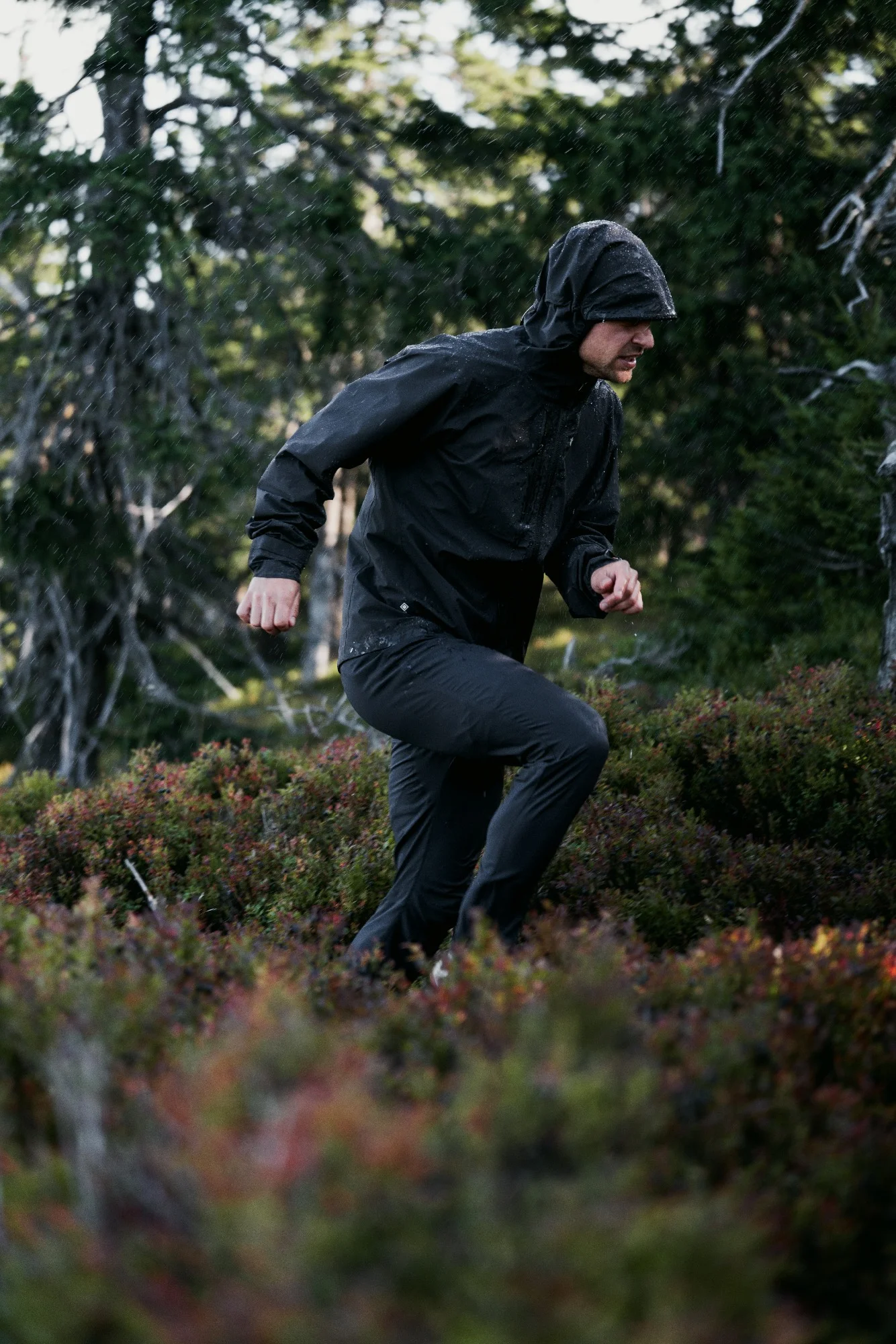
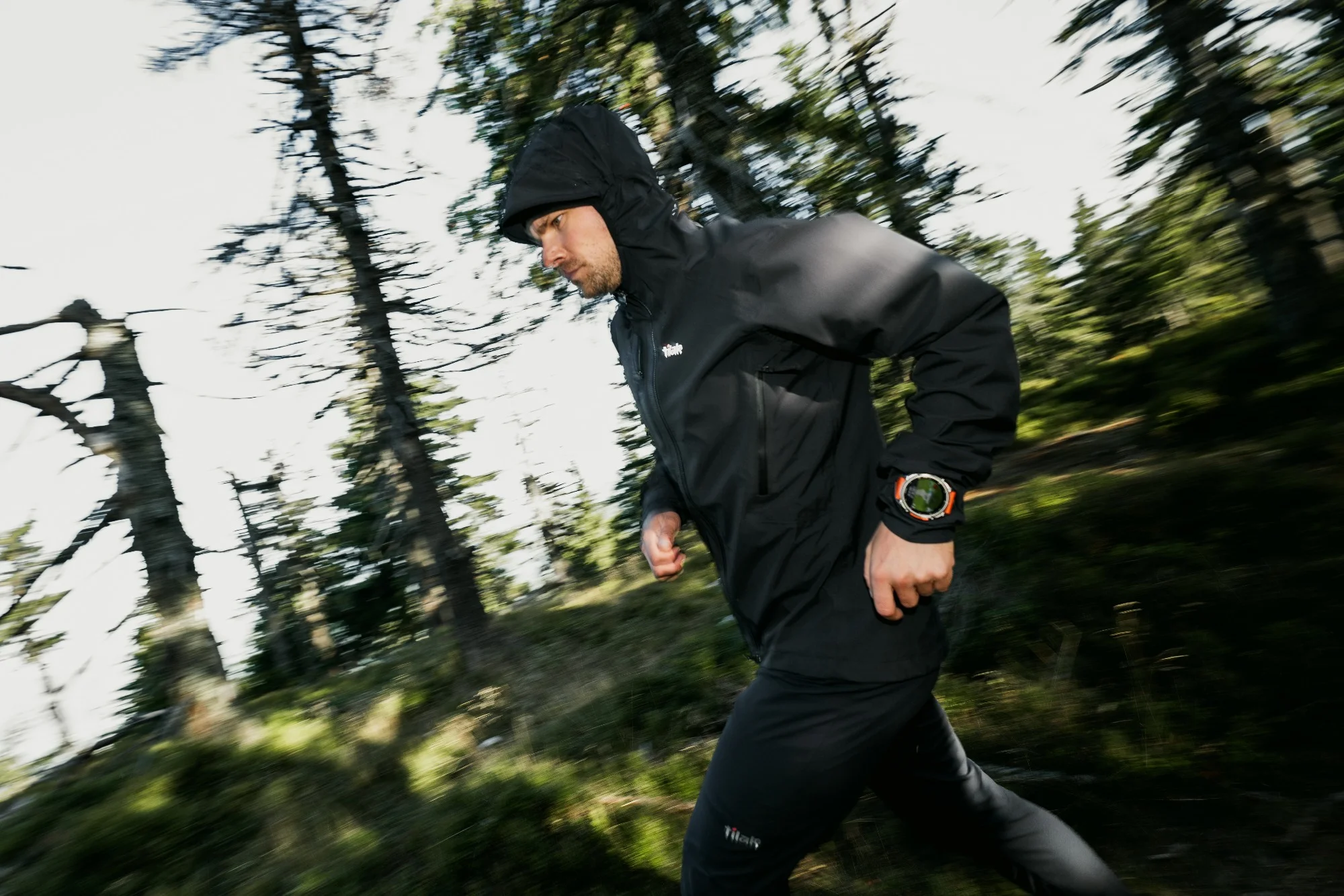
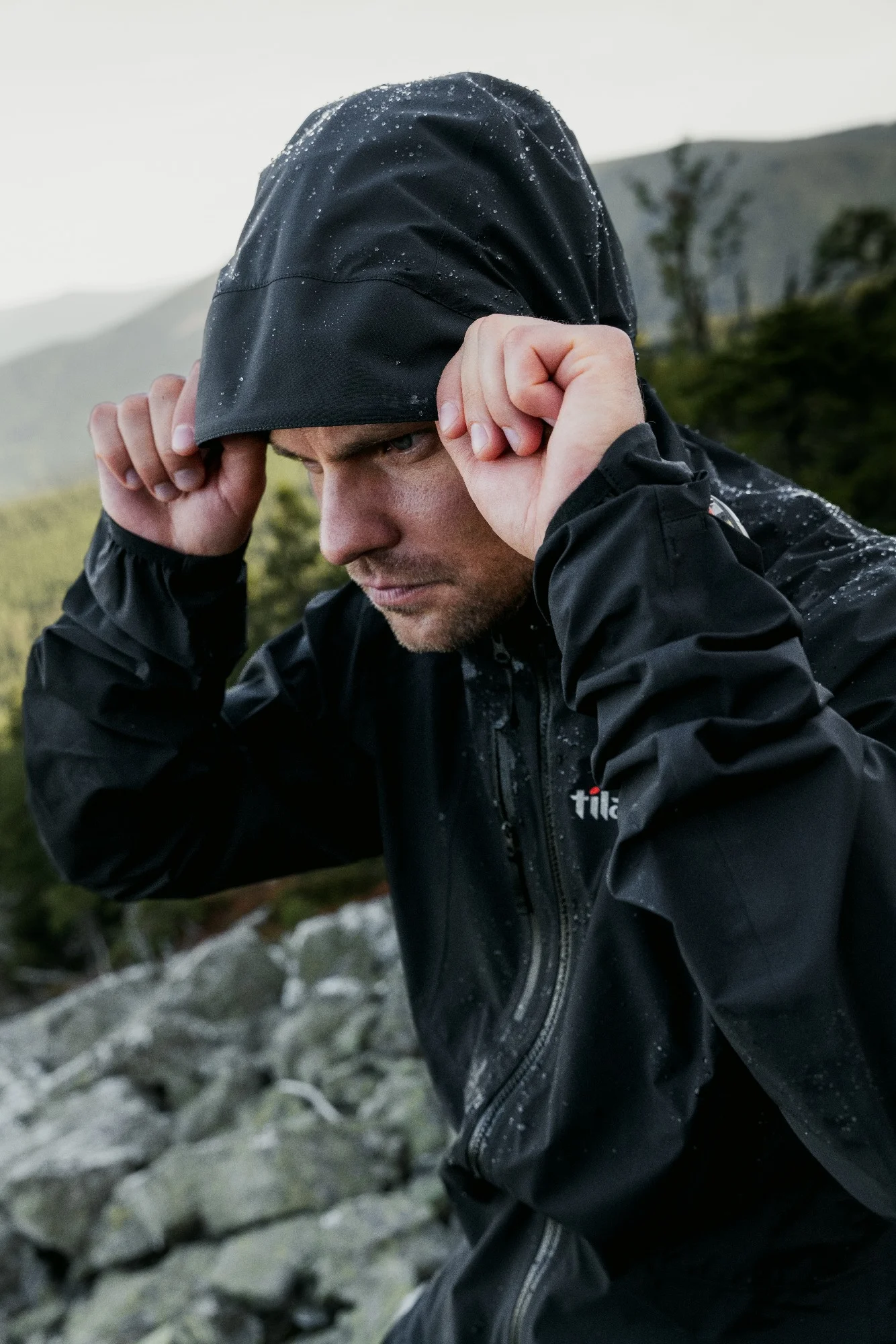
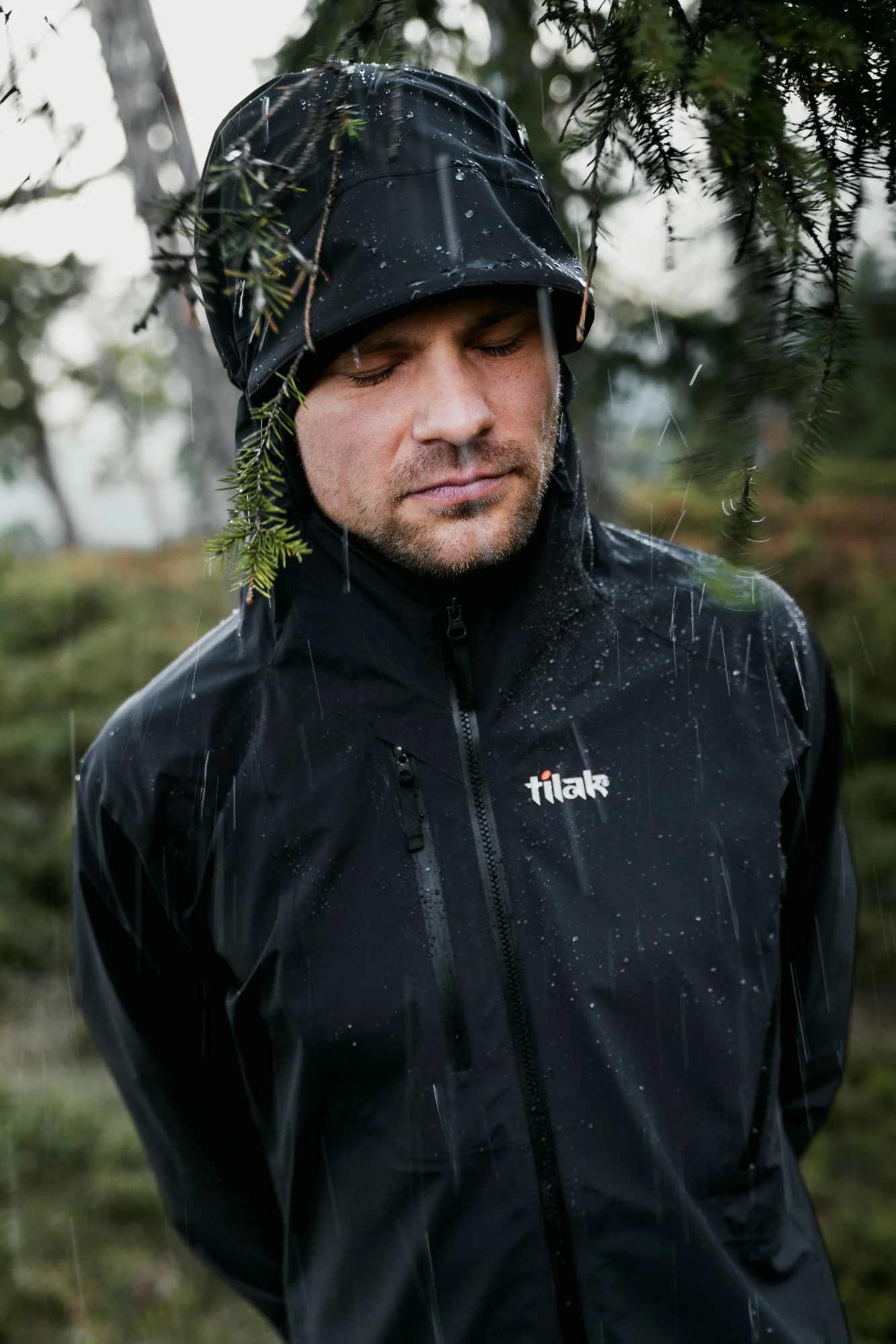
However, that’s where the similarities with its predecessor essentially end, and there’s a significant leap between generations. You’ll find several new features here. The most striking is the noticeably large hood visor. If you’ve ever run for a while in falling rain or snow, you’ll know it can be a real nuisance. Runners often end up looking down and lose awareness of their surroundings.
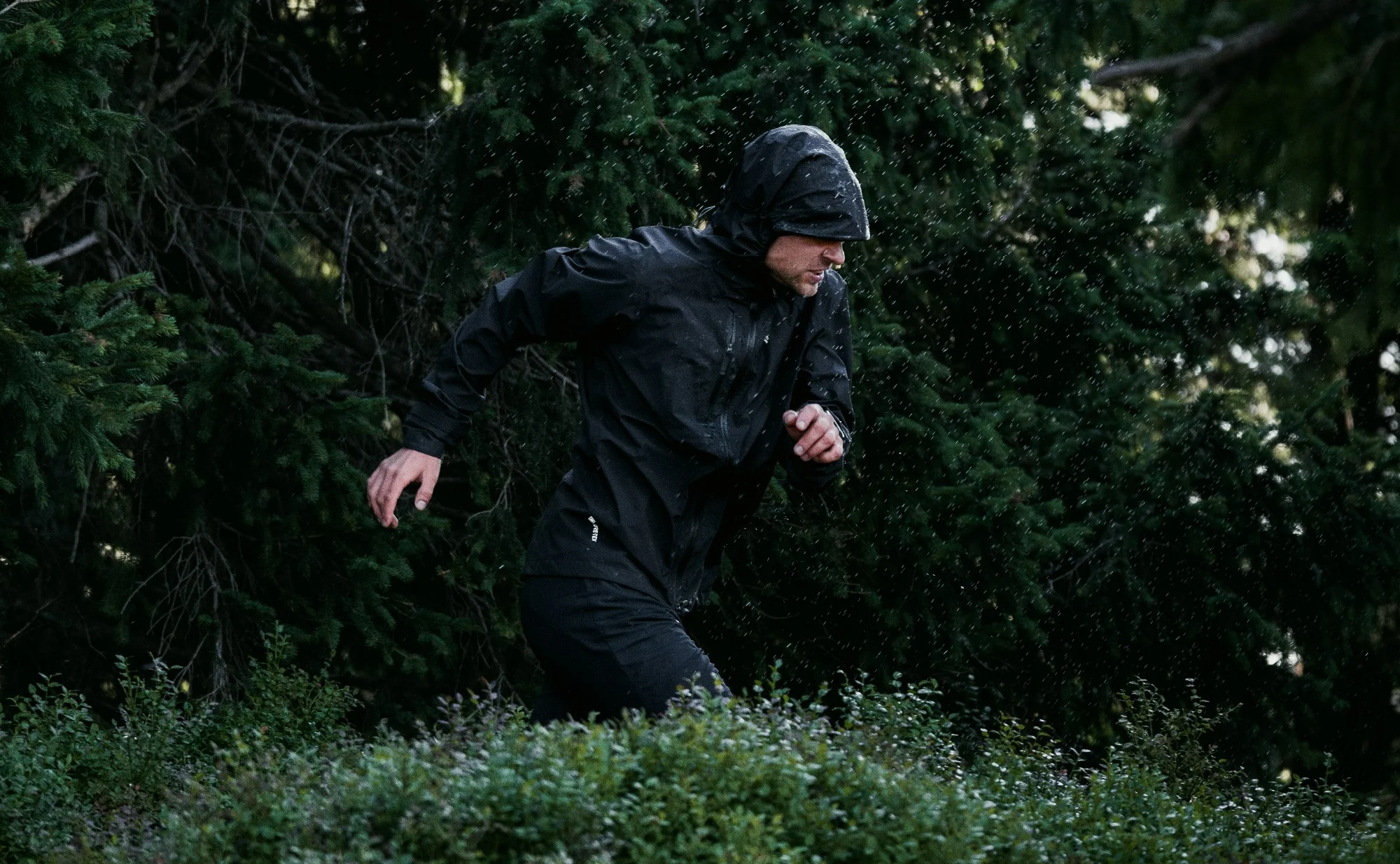
The aim was to develop a visor that would genuinely protect the eyes, be lightweight and yet rigid enough not to warp in the wind. The increased comfort is immediately noticeable in the eyes when it’s raining or snowing. This is because they can look around comfortably.
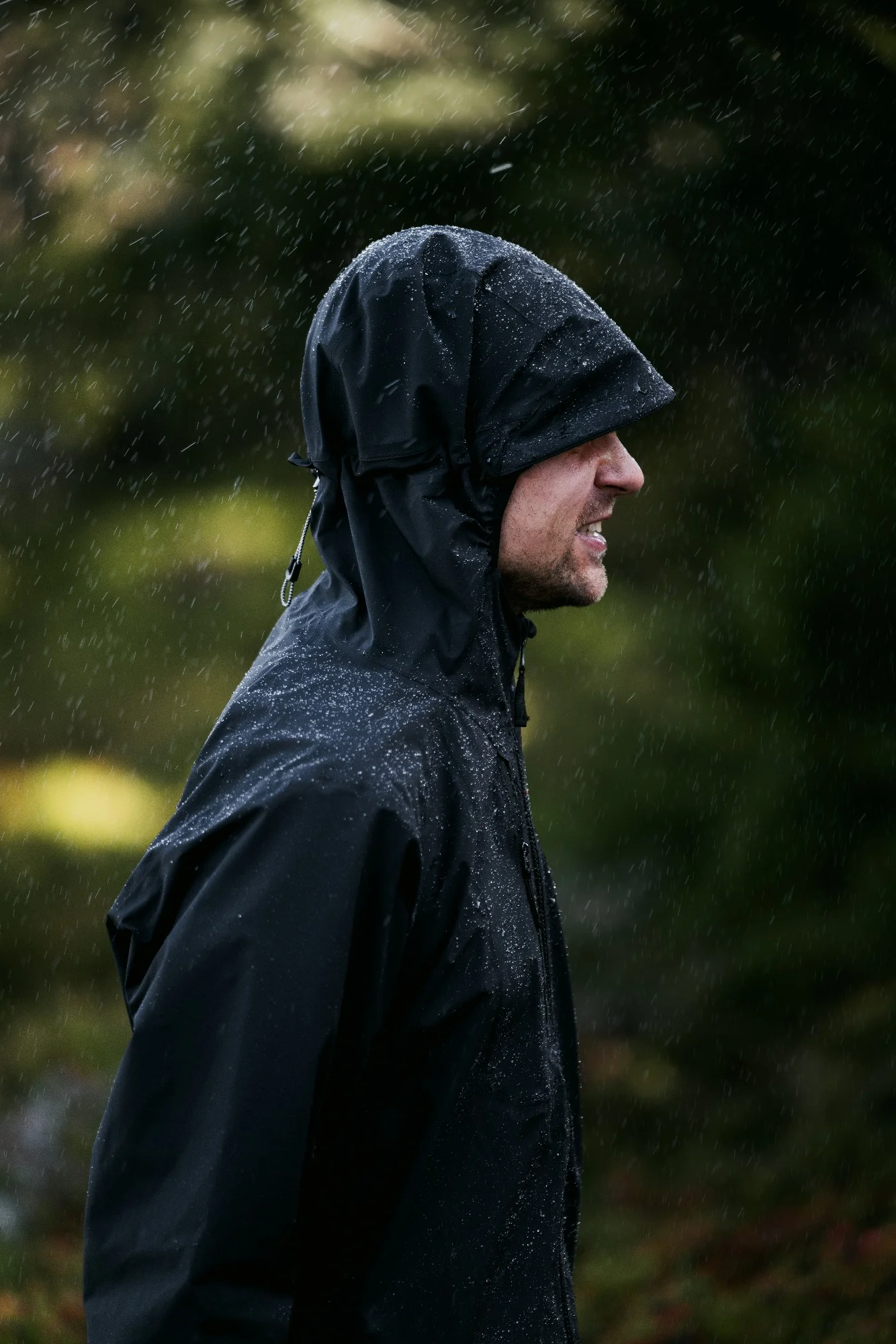
We’ve placed an elasticated mesh under the peak, which helps with the hood’s ventilation and lifts the peak up slightly, so that it effectively acts as a sort of functional visor and doesn’t rest flat against the forehead – this allows air to flow over the forehead and up towards the crown of the head.
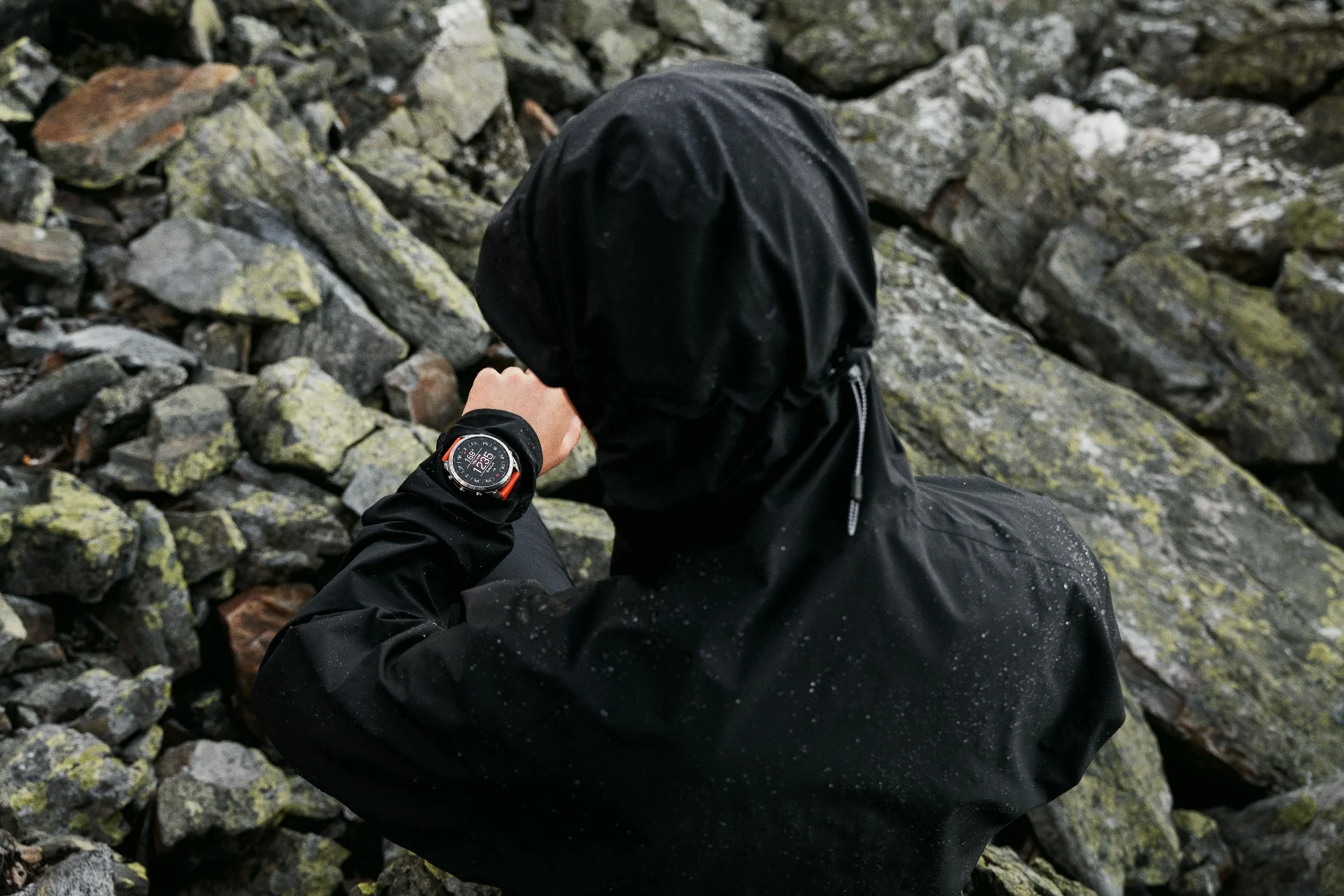
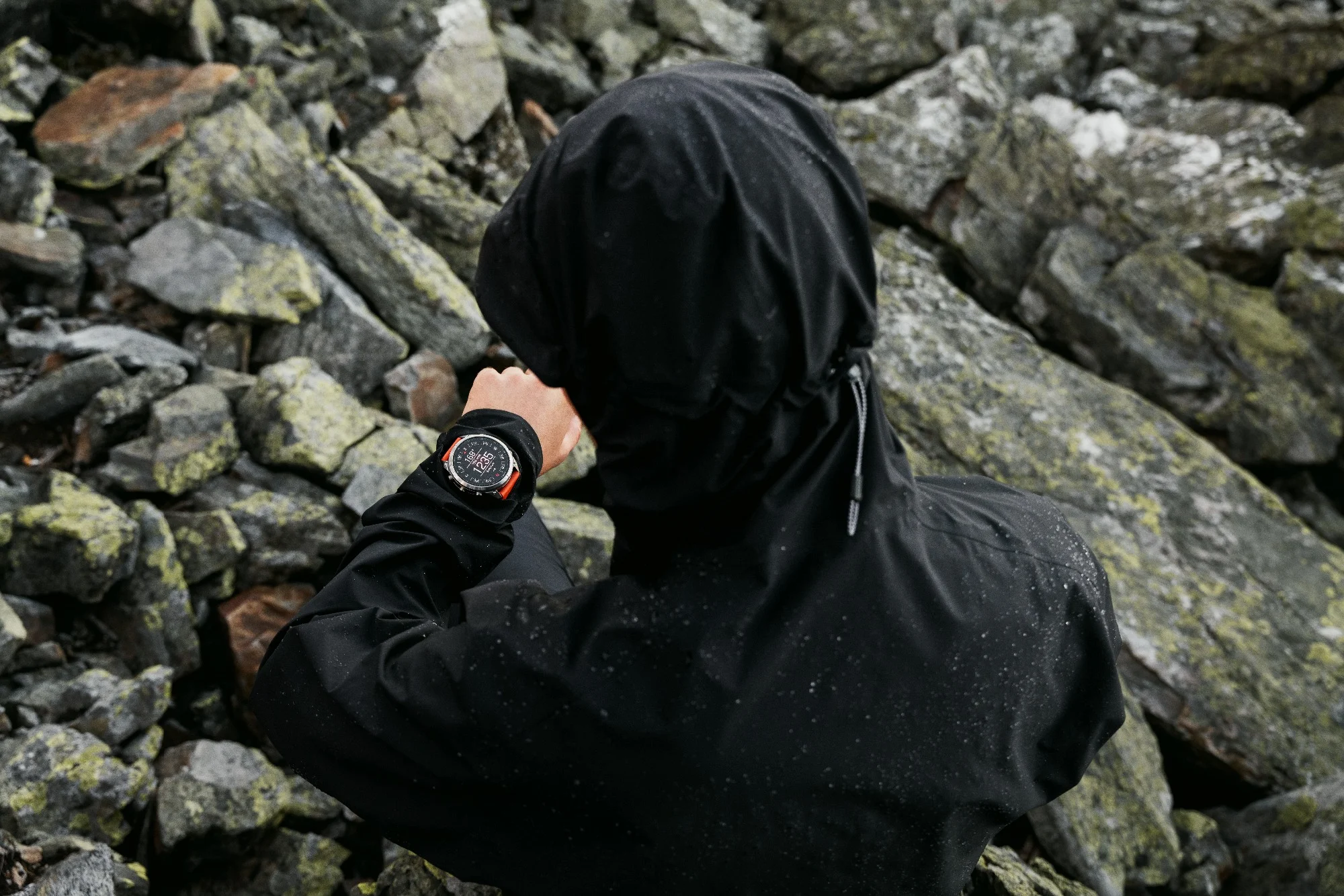
At the back of the hood, you’ll find a simple adjustment mechanism that allows you to tighten the hood to fit your head as required.
A key change is the lowered collar, which does not restrict breathing in any way. It goes without saying, but it is an exception in our otherwise predominantly climbing collection.
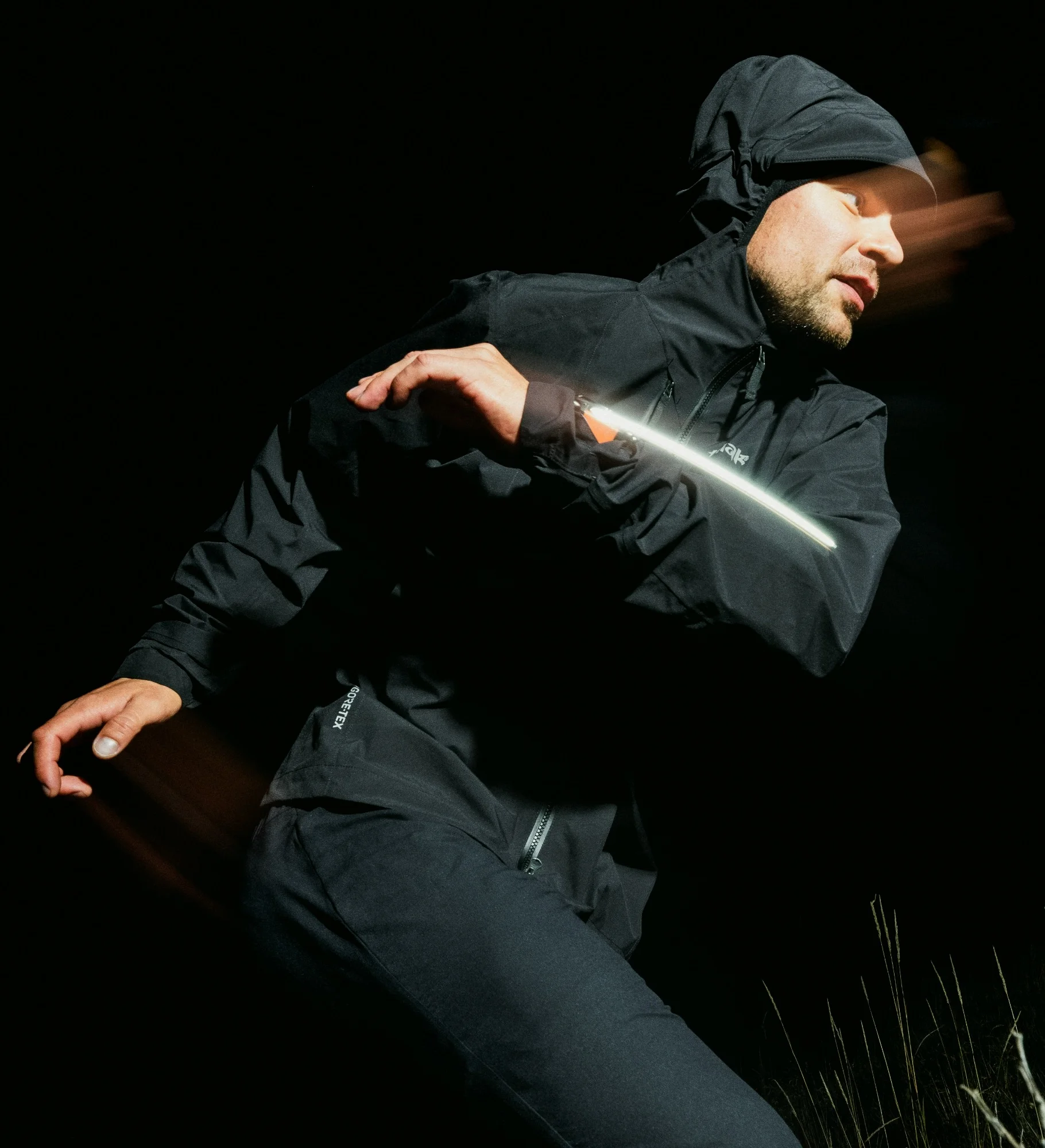
The collar is attached to the hood’s elasticated trim and can therefore be worn either under or over the chin, as required.
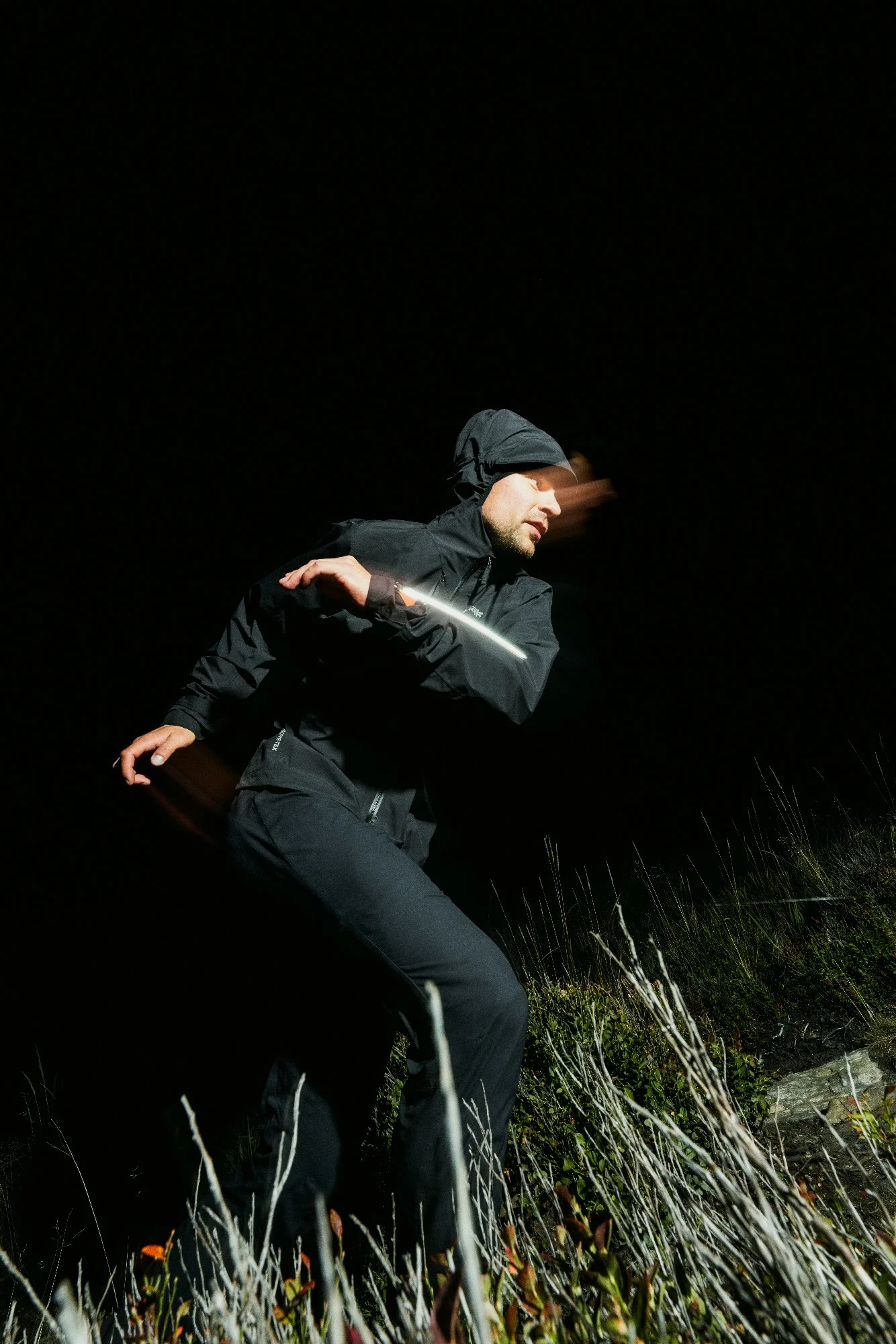
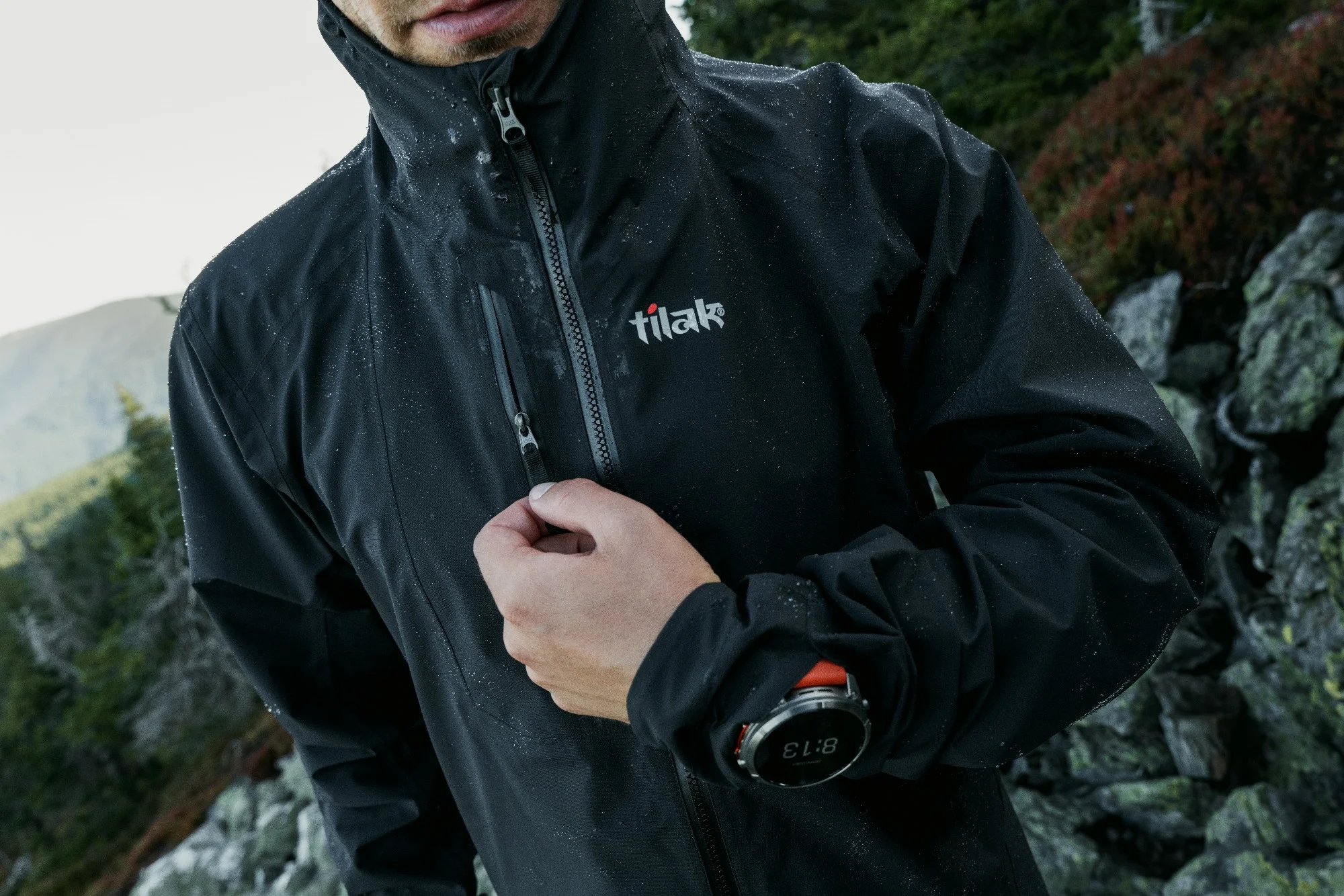
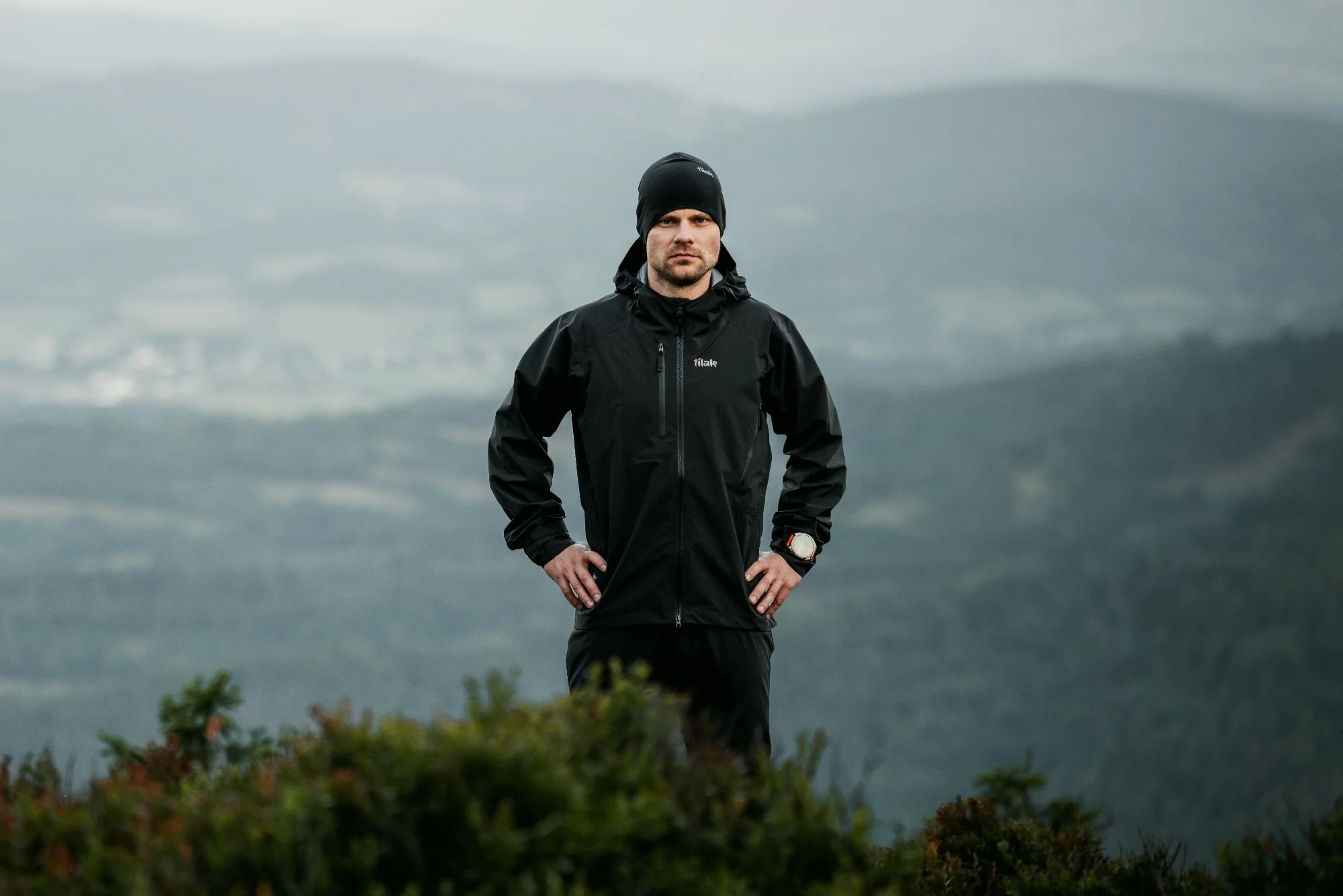
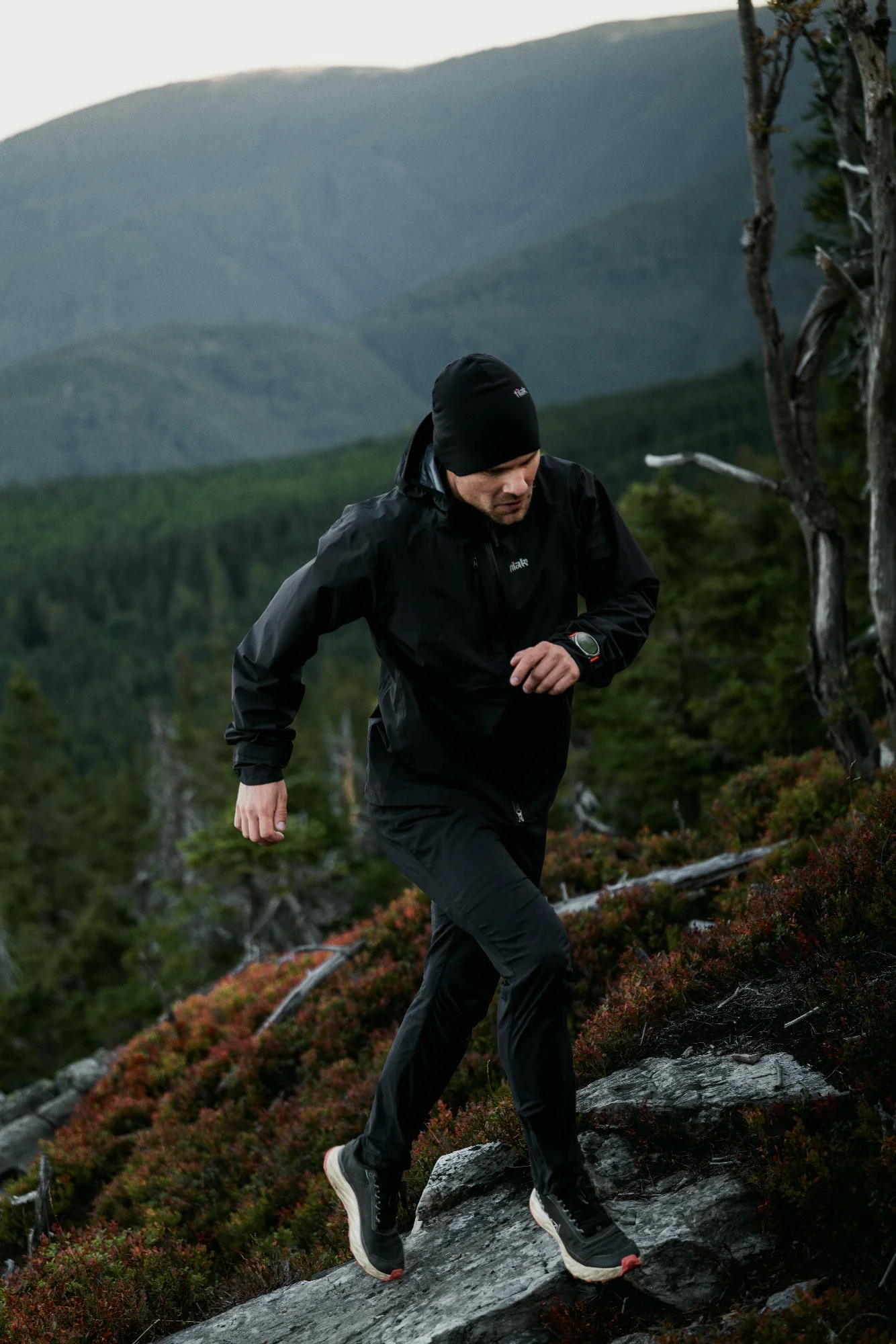
Thanks to its slim fit, the jacket doesn’t flap about and fits well. The front is short, so it doesn’t get in the way when lifting your knees whilst running or cycling. The back, on the other hand, is extended, providing good coverage for your back during both activities. The GORE-TEX® Active fabric is permanently waterproof and breathable, and compared to other activewear membrane jackets, it offers exceptional mechanical durability of 40 Denier – comparable, for example, to the Stinger Pro climbing jacket. All these features make the Attack jacket the ideal choice for long trail runs or gravel rides.
How did we come up with the Garmin collab?
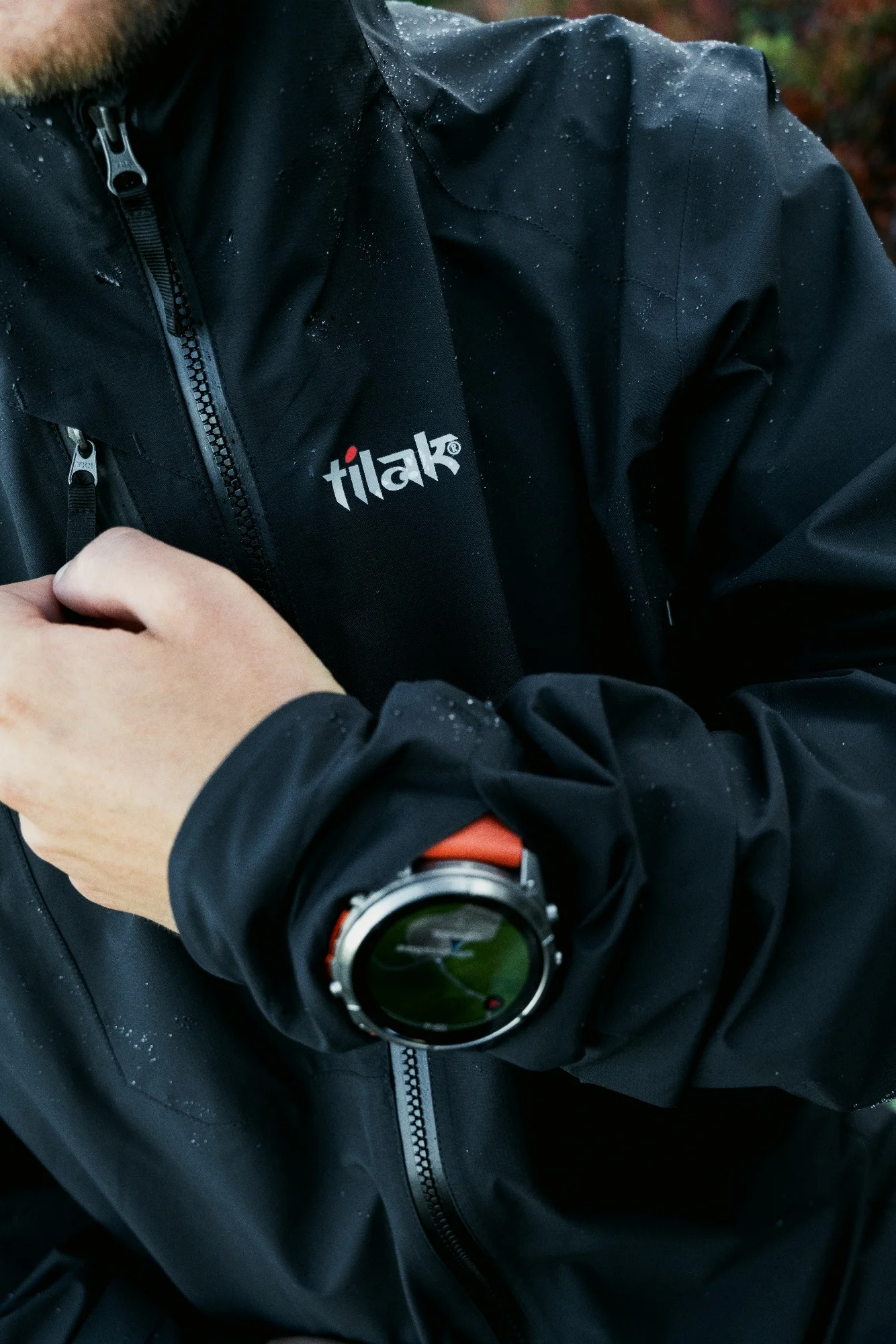
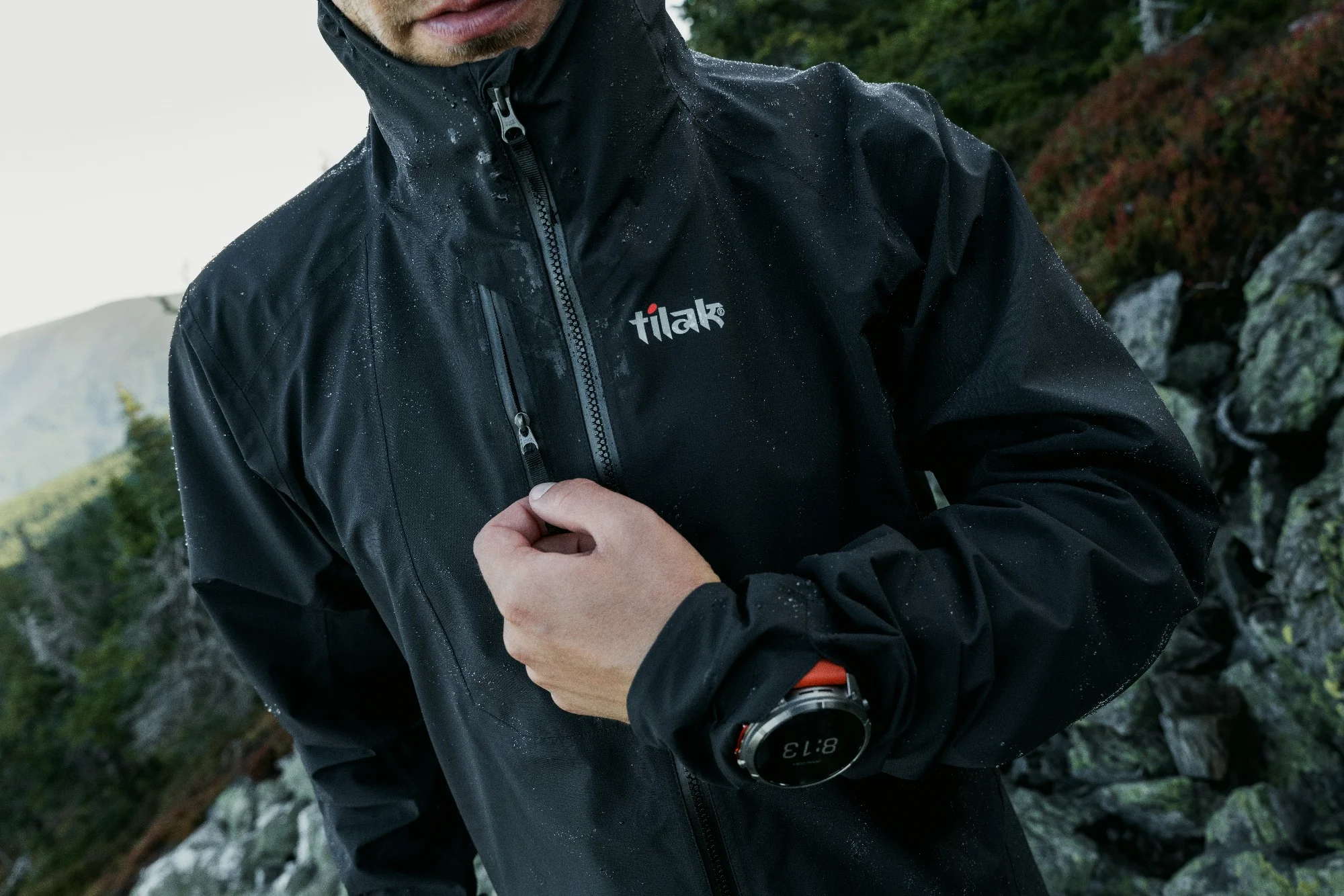
Actually, it’s obvious. What are those cut-outs on the sleeves for? For a watch. You won’t find any fogged-up rubber windows or stiff (and heavy) zips at the cuffs. We tried both, and they didn’t work properly. In the end, we settled on simple cut-outs on both the left and right sleeves, so everyone can choose. Being able to access your watch without having to roll up your sleeve with wet hands time and time again was one of the main goals of the design.
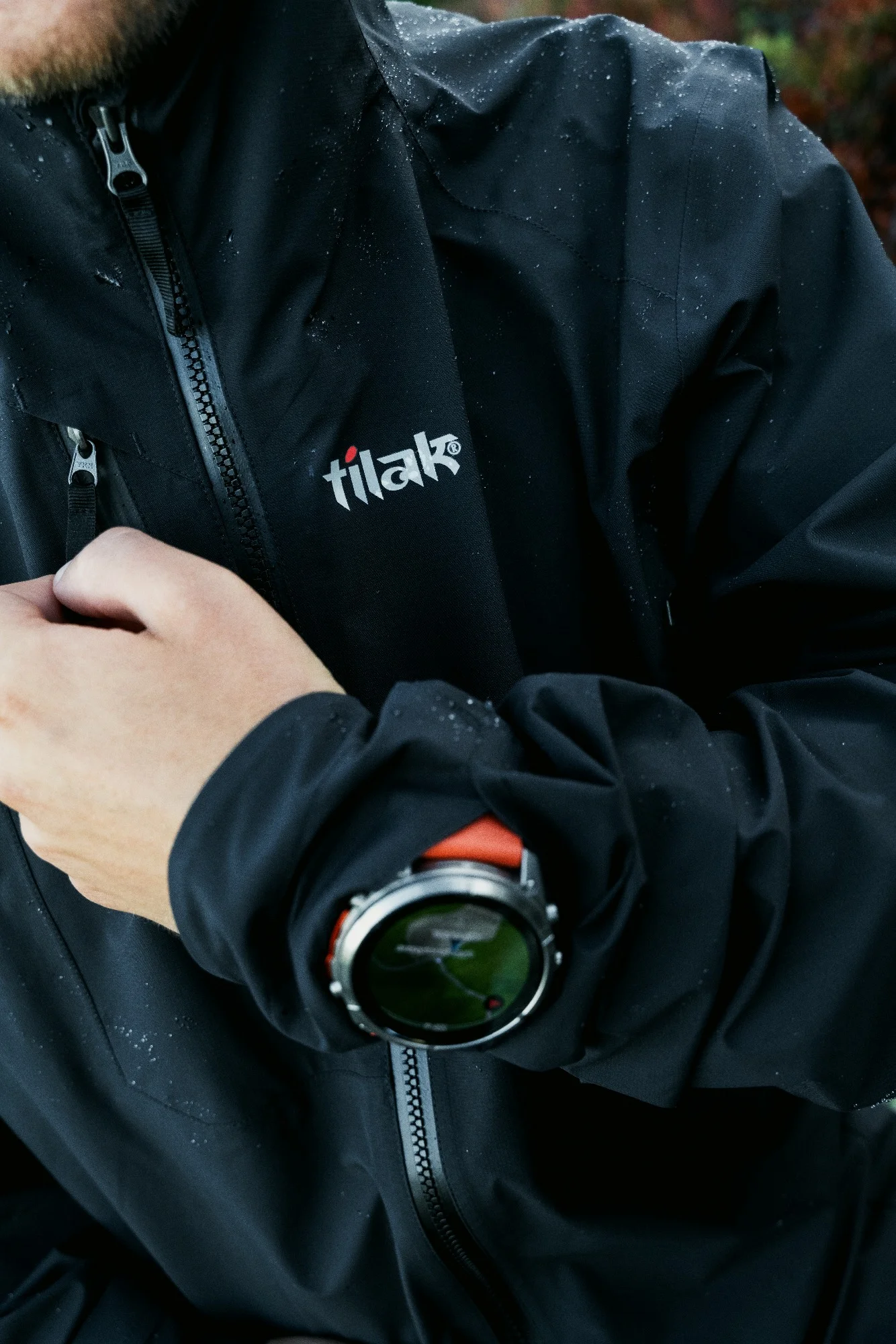
The watch can be worn on either the left or right wrist. The cuffs also cover the back of the hand.
During our testing, we wore Garmin watches of various sizes on our wrists. The oldest model has been in use for 12 years and is still going strong.
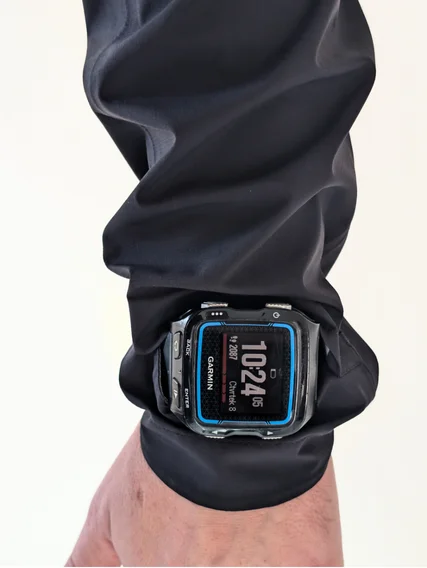
The trusty 2014 Forerunner 920XT still looks as good as new (unlike the runner)
Technology for what's ahead
This durability resonates with us, so we thought we’d launch the new Attack in partnership with Garmin. It turns out the feeling is mutual, and Garmin is currently launching its new fēnix 9 watch – its flagship model – so the timing couldn’t be better.
Two distinct pieces of kit – a jacket and a watch – that complement each other perfectly. The visor gives you a clear view of the path ahead, whilst the watch tells you what lies in store.
Garmin and Tilak share the same approach to development: never compromise on performance and never underestimate any detail. Fine-tuning products until they work in the real world, not just on paper. Two different areas of technology, one goal. To help you cope with long hours outdoors in any weather, whilst keeping your eyes on the road ahead.
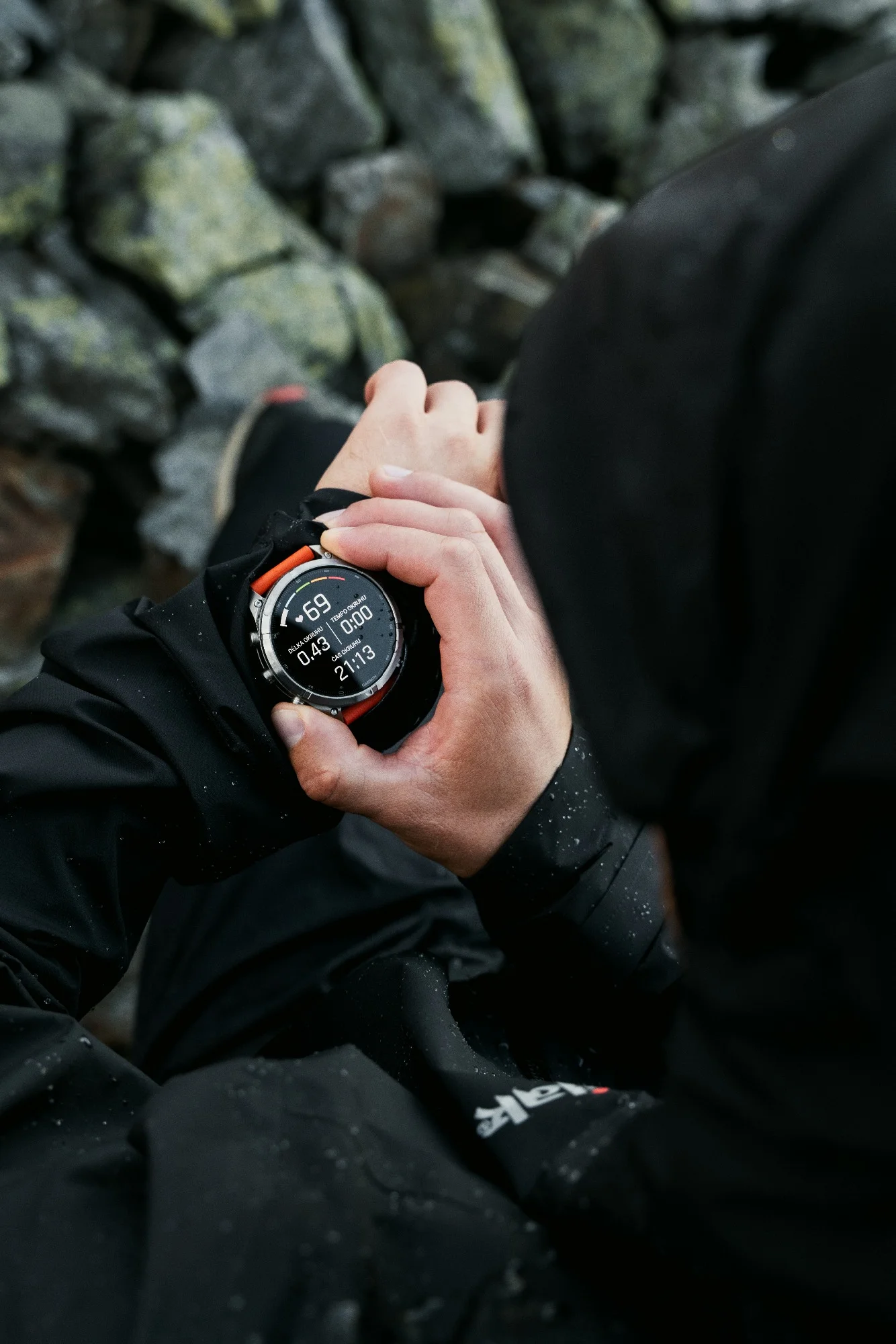
What does the new Garmin offer to a runner?
The AMOLED display, with a brightness of up to 3,000 nits, is easy to read in the February twilight and even in direct sunlight, thanks to the sapphire crystal screen that’s highly scratch-resistant. Multi-band GPS with built-in maps and a faster mapping engine will guide you even where the trail is hidden beneath the snow. The Real-time Stamina feature continuously shows how much energy you have left based on your pace zones, so you can easily adjust the length of your run. And if it gets dark sooner than you’d planned, the built-in three-colour LED torch comes in handy.
The battery lasts up to 31 days on the Pro AMOLED version and up to 57 days on the Pro Solar version. Those who head out to areas with no signal will appreciate the Pro inReach version with satellite connectivity, LiveTrack location sharing and an SOS function. What’s more, the all-titanium construction suggests that even the fēnix 9 Pro will one day catch up with our twelve-year-old Forerunner.